


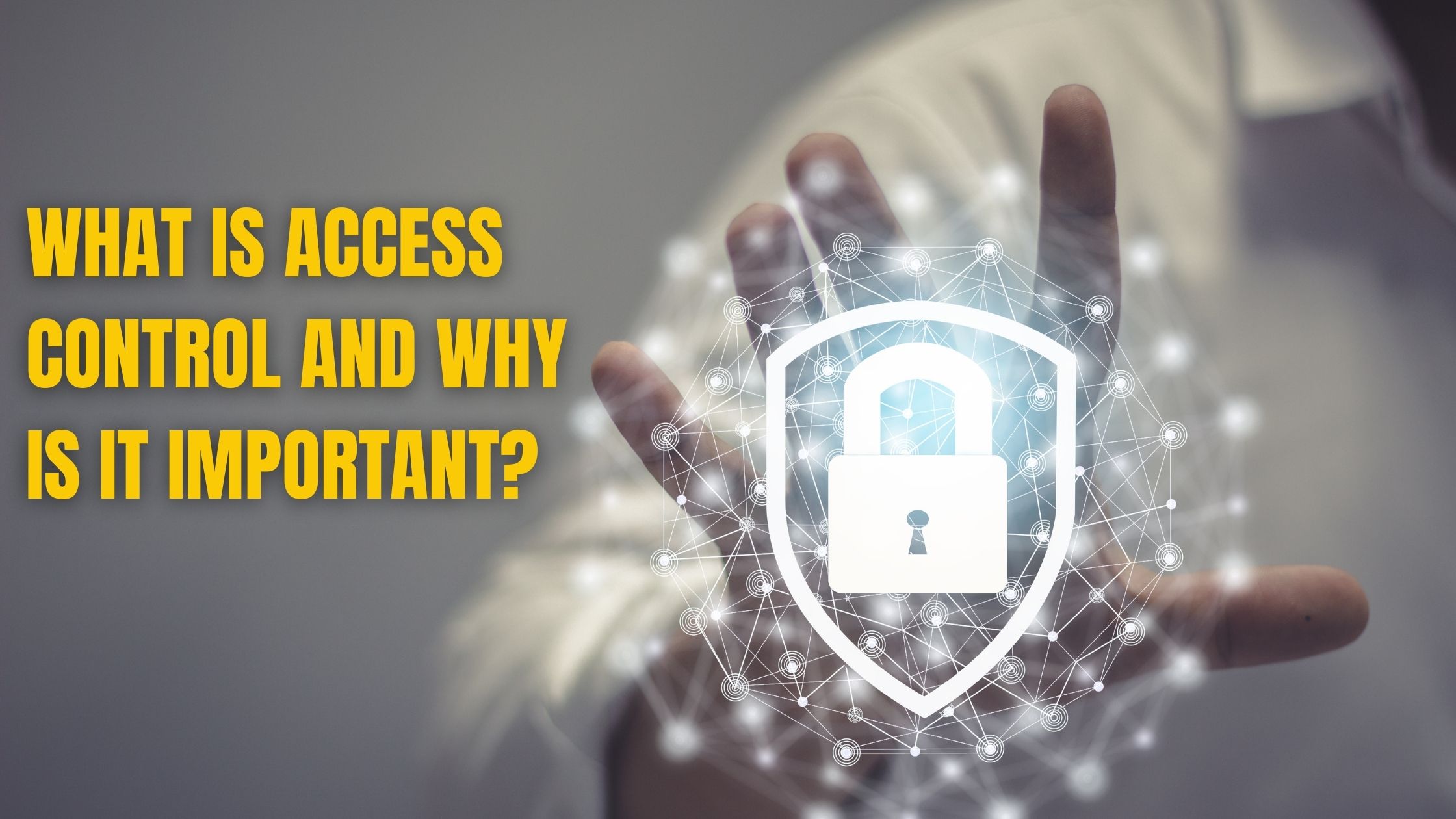
Access control, in simple terms, is the process of deciding who can enter a particular area and when they can enter it. The person accessing could be an employee, a contractor, or a visitor—walking, driving, or entering through another form of transportation. The controlled space might be a site, a building, a specific room, or even a storage cabinet.
To avoid confusion with digital access (like logging into a computer or network), this is specifically called physical access control.
While security is the primary purpose, a modern physical access control system can also:
✅ Improve operational efficiency
✅ Enhance safety
✅ Offer better control over buildings and restricted areas
What Is an Access Control System?
When businesses talk about access control today, they usually refer to an electronic access control system.
Rather than old-fashioned keys, these systems use identifiers such as:
- Access cards
- RFID tags
- Biometrics (fingerprint/face scan)
- Mobile phone access
The system records who entered, where, and when, giving better visibility and control over site activity.
Why Switching from Traditional Keys to Access Control Makes a Difference
Many smaller businesses still rely on mechanical keys—but as a company grows, keys become a major problem.
Here’s why:
❌ 1. Keys Get Lost
When someone loses a key, you must:
- Replace the lock
- Issue new keys to every authorised user
- Spend time and money fixing the issue
One lost key can compromise the entire premise.
❌ 2. No Audit Trail
You never know:
- Who used a key
- When someone entered
- Whether the key was copied or misused
There is zero tracking or accountability.
❌ 3. Keys Are Hard to Manage
Employees who need access to multiple rooms end up with:
- A bunch of keys to carry
- Difficulty remembering which key fits where
- Security risks if keys are labelled
This becomes unmanageable very quickly.
✅ Advantages of an Electronic Access Control System
By implementing an electronic access control system, businesses solve all key-related problems—and gain powerful new features.
Here’s what you get:
✅ Control Who Has Access
You can decide:
- Which employees can enter automatically
- Which visitors must report to reception
- Who is restricted to certain areas
Example: Only employees can badge in directly; contractors must check in at the front desk.
✅ Control Which Doors They Can Open
Access can be restricted based on role or department.
Example:
- Lab access only for technicians
- Server room access only for IT staff
- Warehouse access only for operations team
✅ Real-Time Monitoring & Tracking
You know:
- Who entered a specific door
- What time they entered
- If anyone attempted unauthorised access
This provides transparency, accountability, and a valuable security record.
Final Thoughts
Access control is no longer just about keeping doors locked—it is about smart, modern security that protects people, assets, and property. As companies grow, an electronic access control system helps maintain control, reduce risk, and streamline operations.
✅ Improved security
✅ Better monitoring
✅ Easy access management
✅ No lost keys or lock replacements
A safer workplace starts with smarter access control.